Joining relied on manual follow-up
Prospective members did not have a clear route from interest to joining.
CASE STUDY / KNIGHTS OF ÉANNA
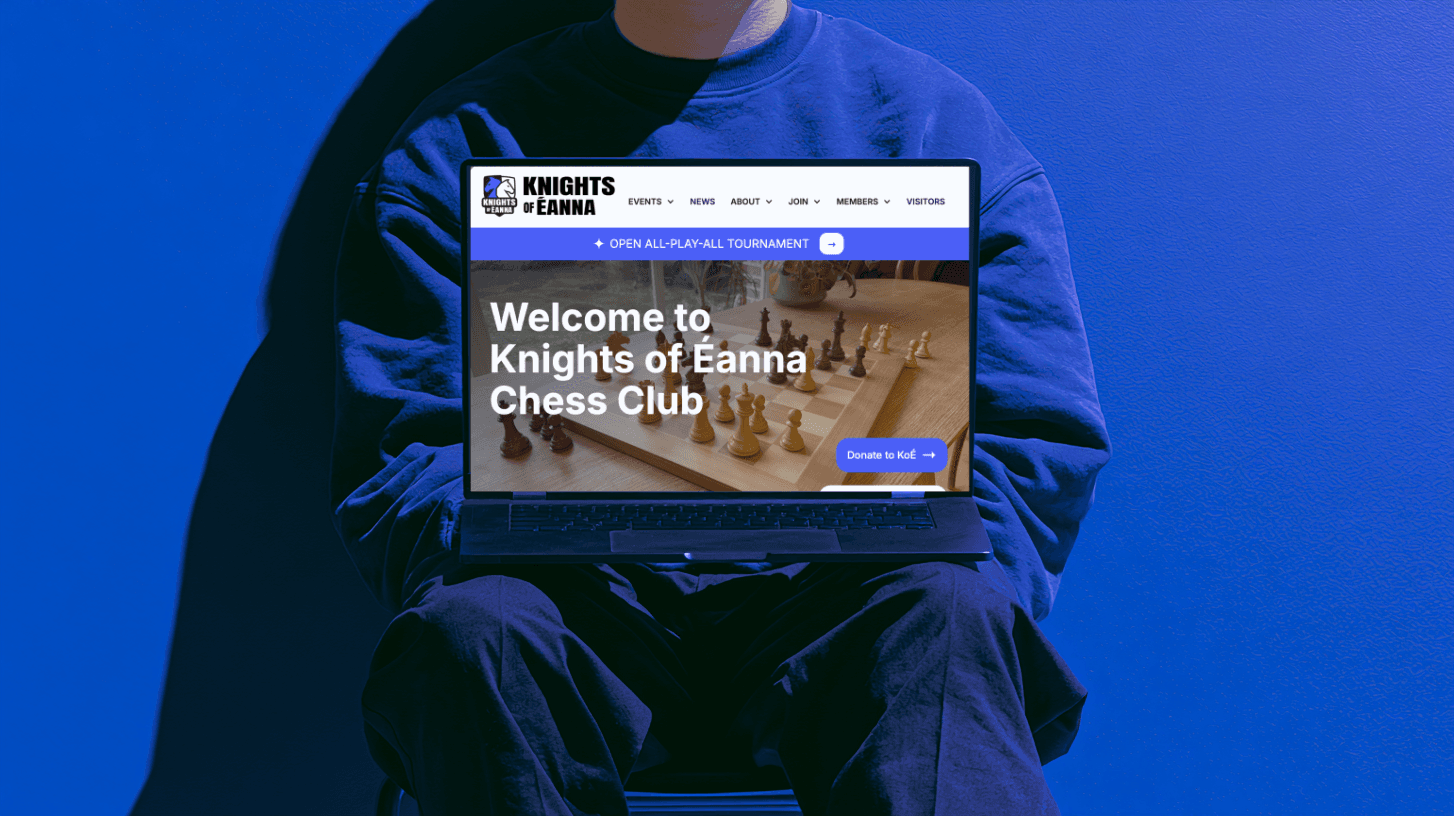
I designed and built a connected website, membership journey and set of internal tools around the club's real operational needs.
21%
Increase in membership-fee payment
400%
Increase in new membership enquiries
Joining the club depended on manual follow-up, membership payments sat outside the admin process, and important operational knowledge lived with a small number of volunteers.
The system also needed to reflect how the club actually worked: families joined as households, children and guardians were connected, consent mattered, and league administration relied on accurate shared information.
Prospective members did not have a clear route from interest to joining.
Children, guardians and family relationships needed to be represented together.
The club could not easily see who had joined, paid or still needed follow-up.
League teams, contact details and recurring tasks were difficult to share and maintain.
DECISION 01
I created a clear public website and membership journey so prospective members could understand the club, submit their details and move into the joining process without relying on manual enquiry handling.
Why it mattered
A clearer route into the club reduced friction for families and reduced repetitive follow-up for volunteers.
DECISION 02
The CRM was structured around families rather than isolated individual records. It connected children, guardians, contact details, consent and membership status in one place.
Why it mattered
The system reflected how the club actually operated and reduced duplication across family records.
DECISION 03
Membership payment was brought into the same journey as registration and renewal, with clearer status tracking and follow-up for incomplete payments.
Why it mattered
The committee could see who had joined, who had paid and where follow-up was still needed.
DECISION 04
I kept the internal tools simple enough for real committee use, while building privacy, consent and role-aware handling into member records, league teams and operational workflows.
Why it mattered
Volunteers could complete recurring tasks more consistently without turning sensitive club administration into an overcomplicated system.
I used AI-assisted development to speed up implementation, explore workflows and work through technical problems. The product, UX, data structure, privacy and operational decisions remained mine.
I also avoided fully automating payment-related or sensitive administrative actions. AI-supported workflows stayed constrained and reviewable.
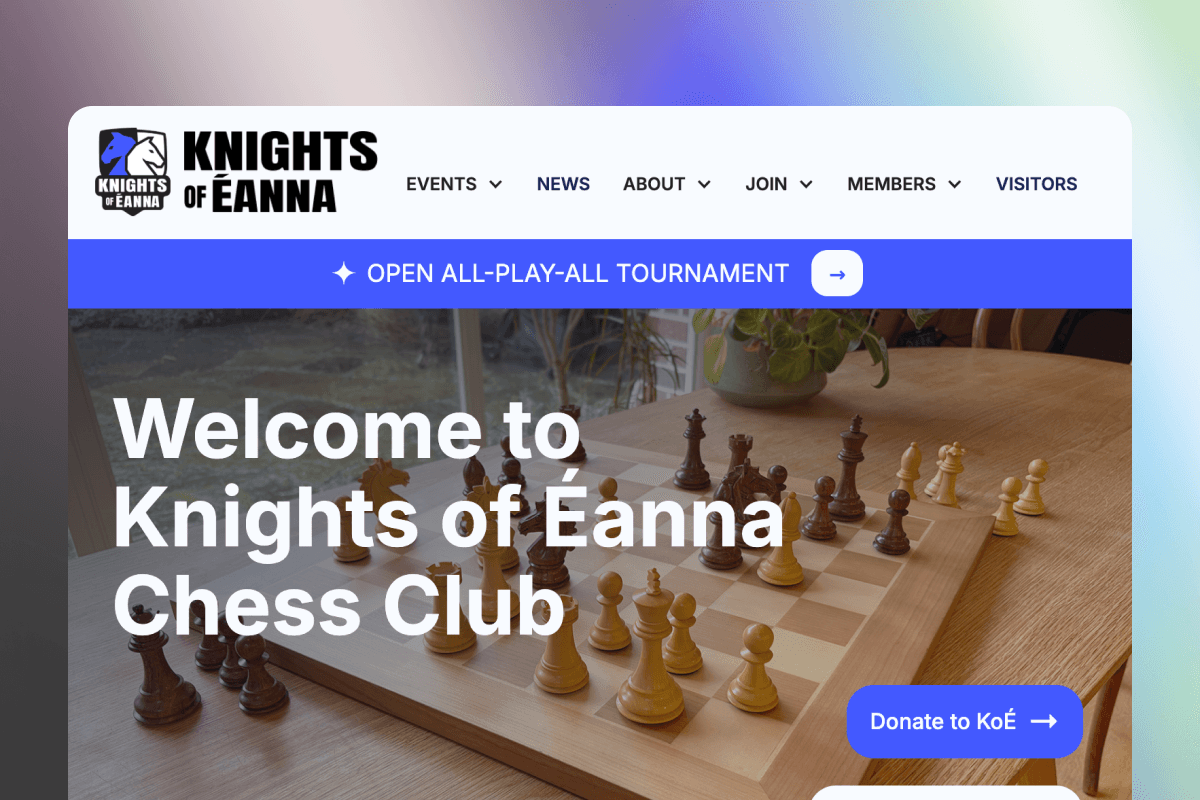
A clear public-facing site for club information, prospective members and online joining.
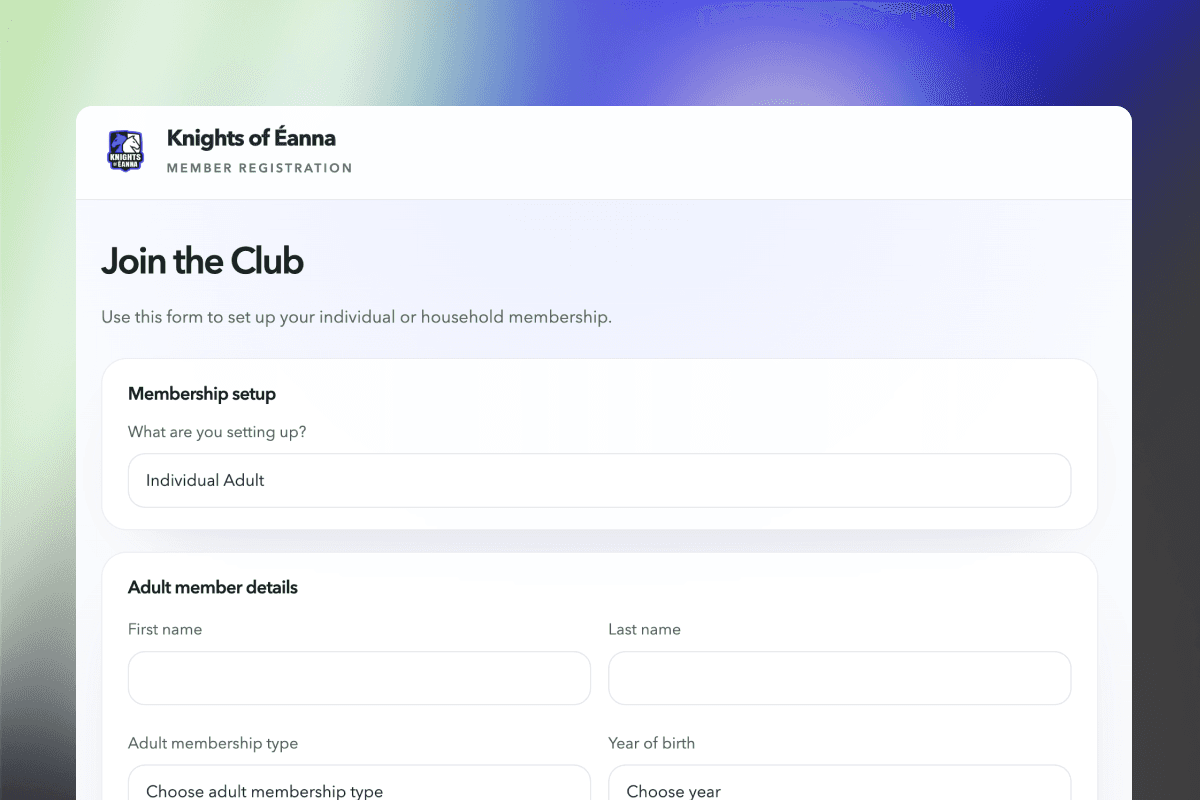
A simpler route for collecting member details, payment and committee follow-up.
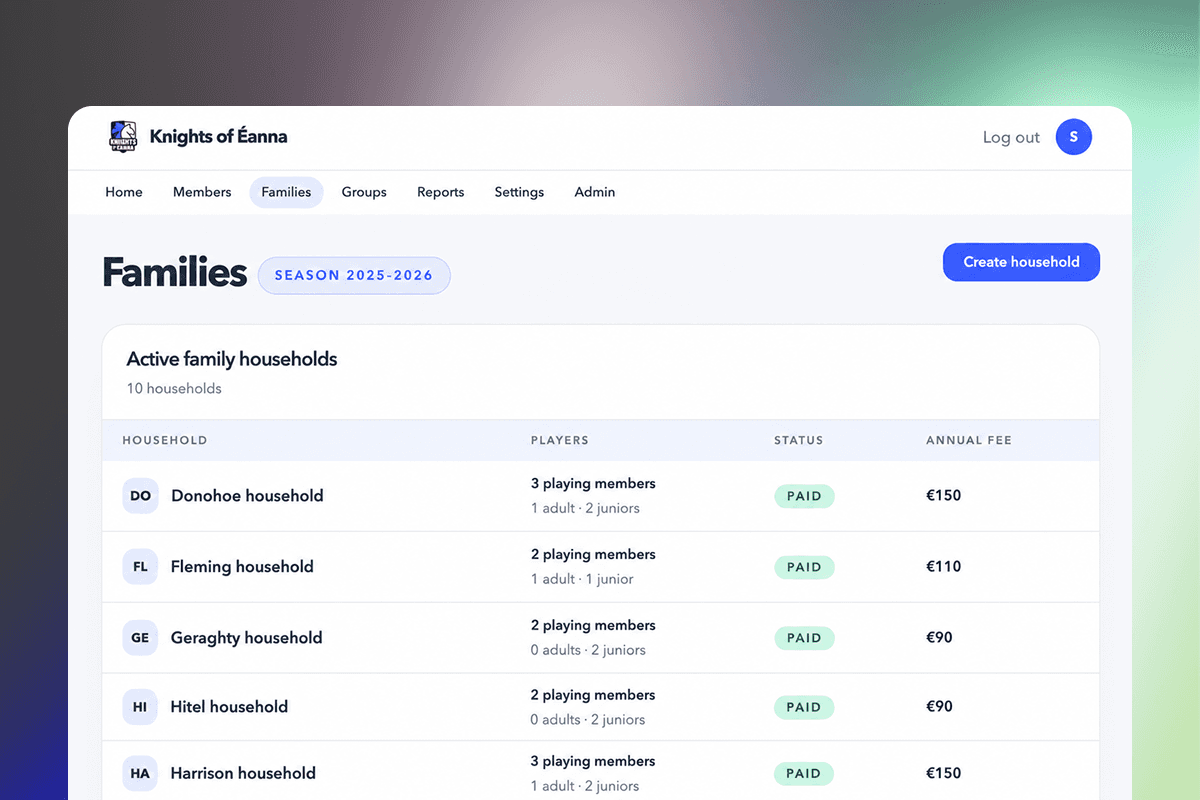
An internal system for managing members, households, guardians, renewals, consent, fees and club workflows.
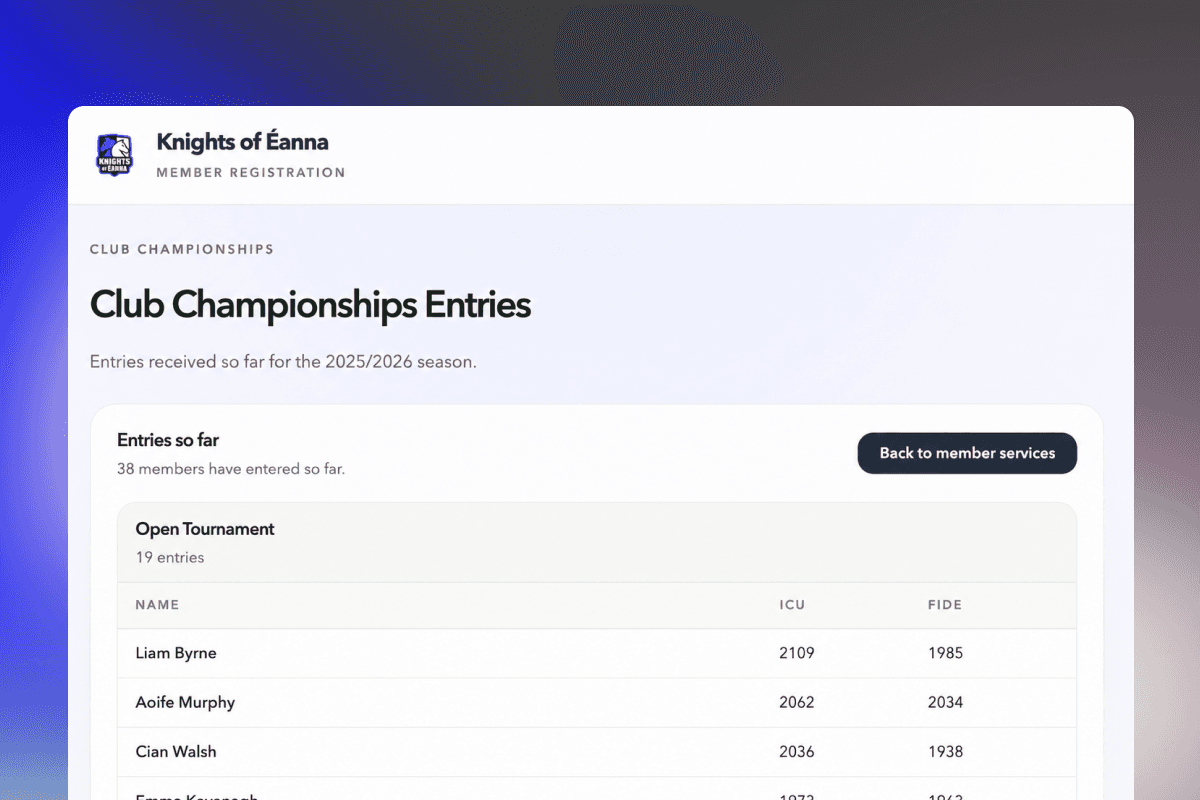
A simpler workflow for setting up league teams, maintaining player details and sharing accurate information.
The finished system made joining clearer, connected payment with membership records and gave the committee a more reliable view of club activity. It also reduced the dependence on scattered spreadsheets, inboxes and individual volunteer knowledge.